



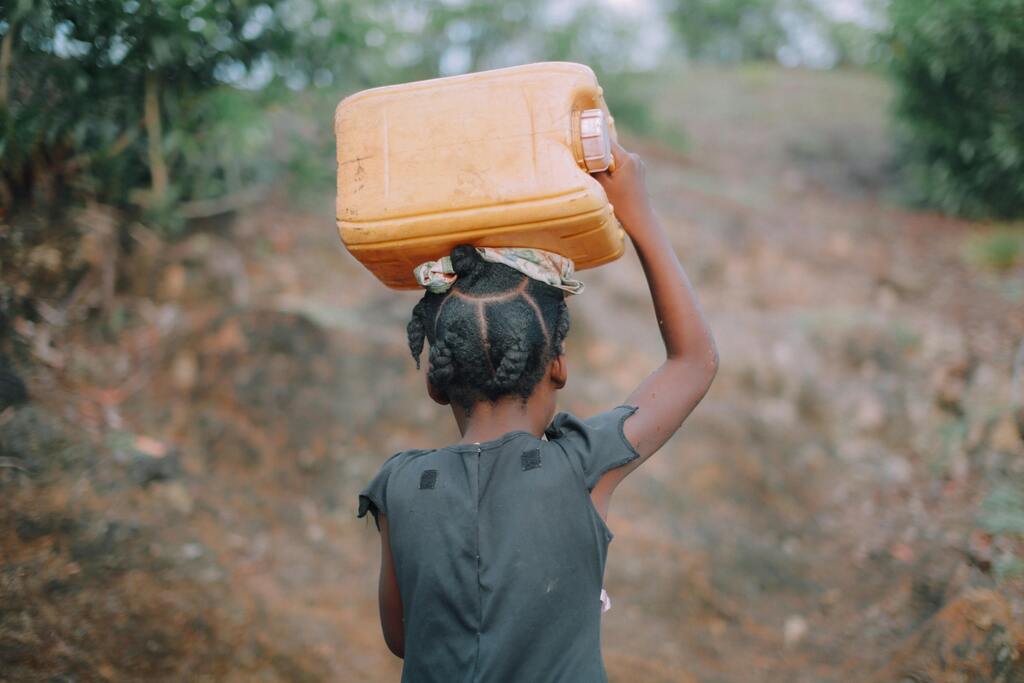
Haiti’s water crisis remains one of the worst in the world fifteen years after the 2010 earthquake. Less than a third of the population has access to safe drinking water, cholera has returned, and gang violence now blocks roads, water trucks, and repair crews. In cities and mountains alike, families drink from muddy rivers, buy overpriced water from private vendors, or wake at 3 a.m. hoping a communal pipe will run. Deforestation, broken infrastructure, and chronic instability turn every rainfall into a flood risk and every dry season into a slow emergency. Children die or lose months of school carrying water on their heads while billions in past aid have failed to deliver lasting systems. Clean water in Haiti is no longer a service or even a right—it’s a daily gamble most families lose.